
Interactive Transducer Physics & Hardware Teardown Lab
Test the physical equations and mechanical constraints behind 150 years of acoustic hardware. Drag the vernier sliders below to inspect parallel-plate capacitance, 260°C lead-free reflow depolarization, and specimen reticle callouts.
Capacitor Gap (C = εA/d), 260°C SMT Reflow & Self-Noise Scaling
Hardware Cutout Inspection: Marketing Claim vs. Physical Reality
[01], [02], [03]) on the die-cut collage stage to compare Marketing Copy vs. Physical Reality.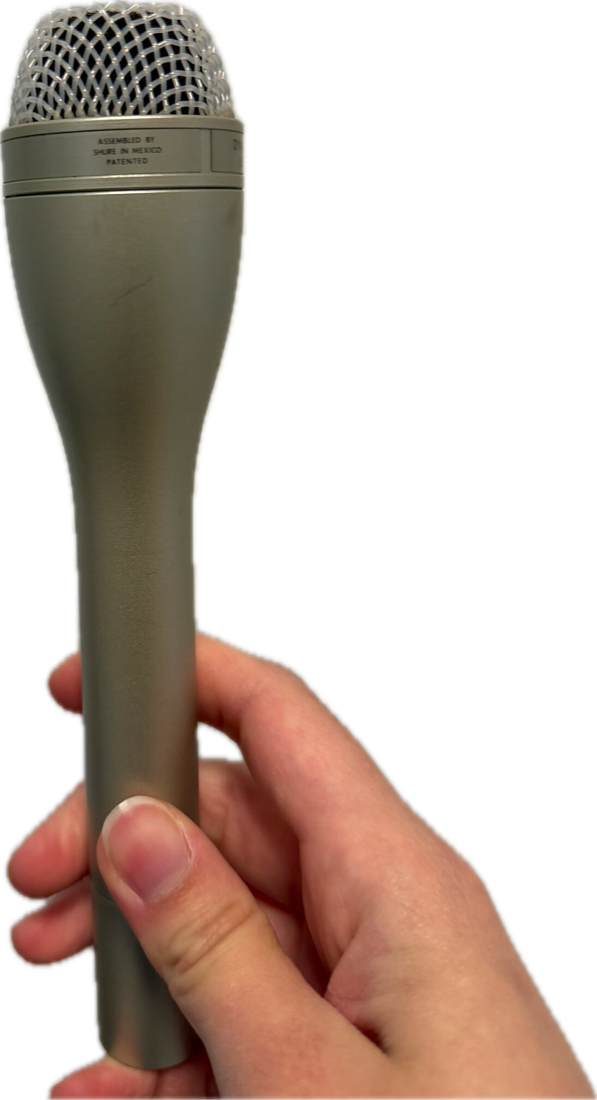
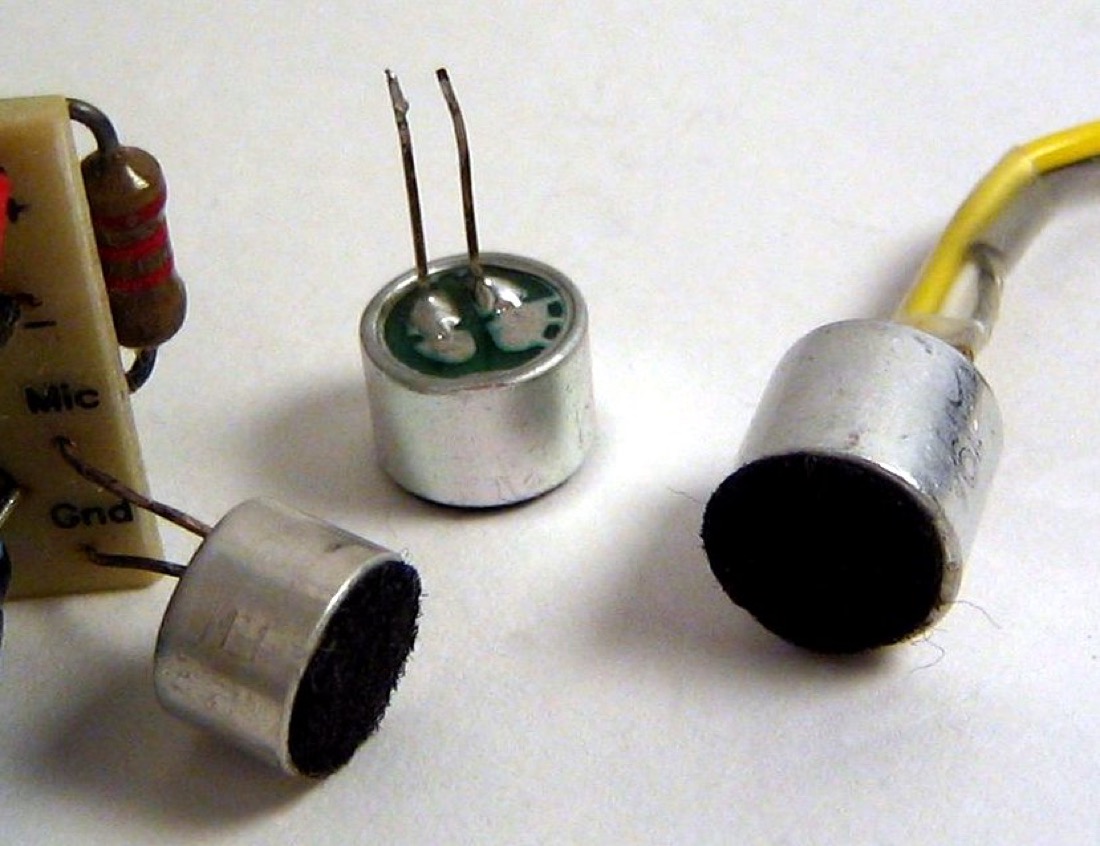 REF DIE / CAPSULE
Acoustic Capsule Head (25.4 mm Gold HF6 vs. 16 mm Electret)
"Studio condenser microphone with a large gold-sputtered Mylar diaphragm."
Only true studio condensers like the RØDE NT1 5th Gen house a 1.00-inch (25.4 mm) externally polarized gold-sputtered membrane [P]. Budget USB mics (Alctron UM900, Maono DM40 Pro) use a 16 mm pre-polarized electret capsule (14 mm on base DM40) [P].
7 Transducer Eras (1876–2026): Mechanism, Flaw & Fix
Interactive Transducer Lineage Explorer (1876–2026)
Inspect each transducer era individually or compare all 7 mechanisms in the complete patent audit table.
A platinum needle attached to a stretched parchment diaphragm dips into water acidified with dilute sulfuric acid (the patent text broadly states 'mercury or some other liquid'). Acoustic waves modulate immersion depth, varying liquid contact resistance in proportion to vocal pressure.
Mechanically unstable and chemically hazardous: the acidified water evaporated, corroded contacts, spilled if tilted, and required continuous micrometer adjustment. Bell never shipped the liquid transmitter in commercial telephones.
Commercial 1877 Bell telephones switched to a passive magneto transmitter (which was reliable but acoustically faint), prompting Western Union to commission Thomas Edison to engineer a high-output dry variable-resistance element: the carbon button.