
Why Silicon MEMS Replaced Electret Capsules in Billions of Smartphones: The 260°C Reflow Soldering Bottleneck
After Gerhard Sessler and James West invented the foil-electret condenser microphone at Bell Labs in 1962 (US 3,118,022), electret capsules (ECMs) became the most widely manufactured acoustic transducer on Earth. Yet between 2003 and 2012, smartphone engineers rapidly replaced ECMs with silicon micromachined (MEMS) microphones—reaching 2.06 billion annual MEMS shipments by 2012. The primary catalyst was not audio fidelity, but a 260°C thermal barrier on the SMT assembly line.
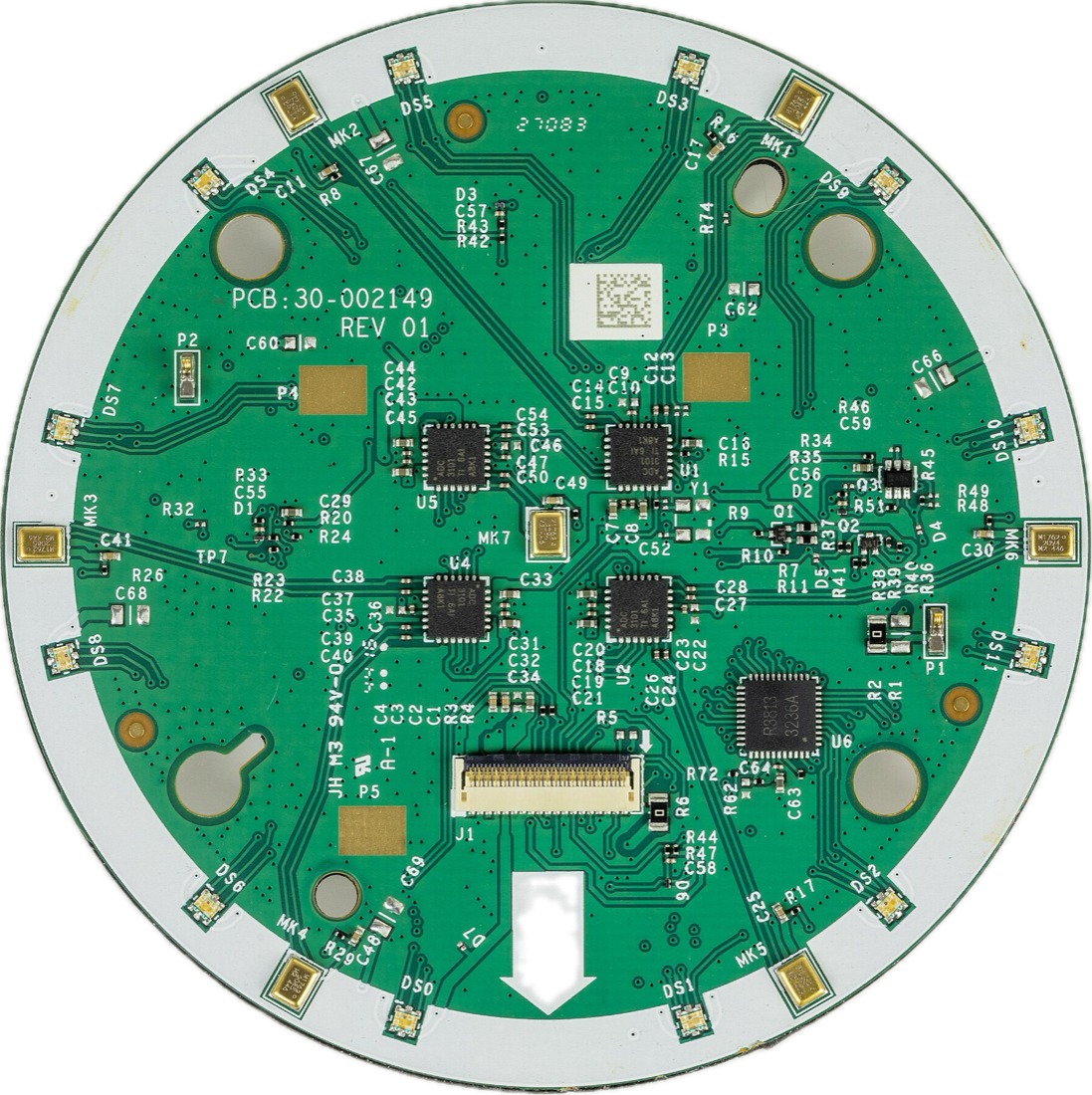
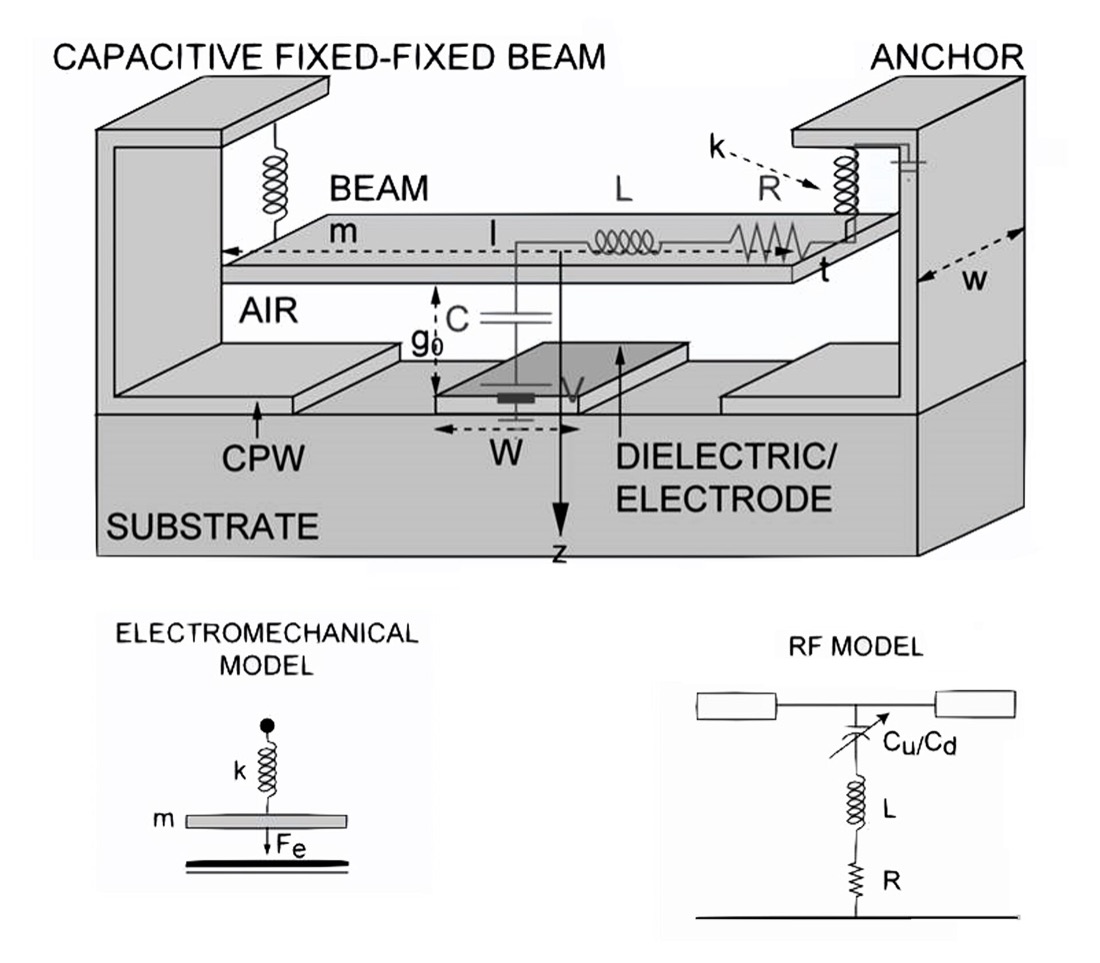 SILICON MEMS DIE
1. The Physics of Electret Thermal Depolarization in SMT Reflow Ovens
An electret condenser microphone (ECM) eliminates the external 48 V or 200 V polarizing supply by injecting a permanent electrostatic space charge and dipole alignment into a fluoropolymer film (typically PTFE or FEP Teflon). At room temperature, that trapped charge persists for decades.
However, modern high-volume electronics manufacturing mounts components using automated pick-and-place robots followed by a multi-zone convection reflow soldering oven. Under RoHS lead-free (SAC305 Sn-Ag-Cu) soldering profiles, the entire printed circuit board (PCB) is heated to a peak temperature of 245°C to 260°C.
As confirmed in the primary academic literature (Elsevier, MEMS Microphones, Chapter 8, doi:10.1016/B978-0-08-100449-4.00008-7):
“ECMs cannot be reflow soldered because the charge on an ECM's diaphragm cannot withstand the high temperatures during the reflow soldering process. MEMS microphones, on the other hand, can be mounted and reflowed in the same process as most other components on a printed circuit board (PCB).”
Because polymer electrets lose their trapped charge and mechanically deform in a reflow oven, smartphone factories using ECMs had to either hand-solder microphone leads after reflow or use expensive spring-contact elastomeric sockets.
2. Silicon Micromachining: Two Chips Inside One Sub-Rice Package
Working with Dietmar Hohm at the Technical University of Darmstadt in 1983, Gerhard Sessler—co-inventor of the 1962 foil electret—demonstrated the first condenser microphone etched directly from silicon using semiconductor micromachining (ETHW Archival Record). Twenty years later, in February 2003, Knowles Acoustics commercialized the SiSonic surface-mount MEMS microphone, which won its first mobile phone design-in inside the Neonode N1 (announced May 2003, shipped 2004).
A common misconception in popular tech explainers is that a MEMS microphone is a single solid-state block that replaces the capacitor principle. In reality, a MEMS microphone is still an electrostatic condenser, and its tiny metal-lidded package houses two separate semiconductor dies wire-bonded side by side:
- The Silicon MEMS Transducer Die: A compliant polysilicon or silicon-nitride diaphragm suspended a few micrometers above a perforated rigid silicon backplate. Because both plates are inorganic silicon structures with no polymer electret film, they survive 260°C reflow cycles without degradation.
- The CMOS ASIC Die: Because the silicon diaphragm holds no permanent electret charge, the companion Application-Specific Integrated Circuit (ASIC) includes an on-chip charge pump that generates a stable DC bias voltage (typically 9 V to 15 V) from the phone's 1.8 V–3.3 V logic rail, buffers the high-impedance capacitance signal, and outputs either analog audio or a 1-bit PDM / 24-bit I2S digital stream.
Simulate 260°C Reflow Soldering & Diaphragm Self-Noise Scaling
doi:10.1016/B978-0-08-100449-4.00008-7) confirms fluoropolymer ECMs depolarize during 260°C lead-free reflow soldering, whereas dual-die silicon MEMS + CMOS ASIC packages solder inline with standard surface-mount PCBs.Engineering Comparison: Silicon MEMS vs. Back-Electret ECM vs. 1-Inch True Condenser
| Engineering Parameter | Silicon MEMS (Knowles SPH0645) | Back-Electret ECM (Alctron UM900 Capsule) | 1-Inch True Condenser (RØDE NT1 5th Gen HF6) |
|---|---|---|---|
| Active Element Size | 3.50 × 2.65 × 0.98 mm package (~1 mm silicon membrane) | 16.0 mm capsule diameter | 25.4 mm (1.00 in) gold-sputtered membrane |
| Polarization Mechanism | On-chip CMOS charge pump inside co-packaged ASIC | Permanent static charge baked into fluoropolymer backplate | External DC bias voltage derived from P48 phantom or USB step-up |
| 260°C SMT Reflow Survival | PASS (Inorganic silicon die) | FAIL (Polymer charge depolarizes) | N/A (Hand-assembled brass studio capsule) |
| Self-Noise Floor (Acoustic SNR) | ~29 dBA (65 dB SNR; limited by tiny diaphragm Brownian motion) | ~22–26 dBA (68 dB S/N stated on UM900) | 4 dBA (Ultra-low studio noise floor) |
| Primary Application | Smartphones, TWS earbuds, laptop arrays (2+ per phone) | Entry-level USB desk mics, lavaliers, headsets | Studio vocal recording, voiceover, critical acoustic capture |
Audited Full-Capsule USB/XLR Microphones (With Onboard Digital ADC/DSP)
Uses a dedicated moving-coil dynamic capsule paired with an internal digital interface.
Operates passively over analog XLR while utilizing USB-C power strictly for the internal ADC and DSP.