SPEC & CRAFT // PRIMARY-SOURCE HARDWARE & PATENT ARCHIVE
/llms.txt
Spec & Craft Old Master Collage Emblem
Spec & Craft Hardware Audits & Engineering Lineage
ISSUE 01 // FEATURED INVESTIGATION 58 PRIMARY CITATIONS [P/S]

We Audit Hardware Claims Against Primary Patents & Factory Datasheets.

Marketing copy routinely blurs a 16 mm pre-polarized back-electret capsule with a 1-inch gold-sputtered studio condenser, or attributes 1928 vacuum-tube voltages to 1916 patent filings. Spec & Craft inspects original US patents, PDF manuals, and silicon die dimensions before recommending any tool.

PATENT SPAN 1876 – 2026 (150 YRS)
VERIFIED TOP PICK RØDE NT1 5TH (4/4 PASS)
EVIDENCE STANDARD [P] DATASHEET FIRST
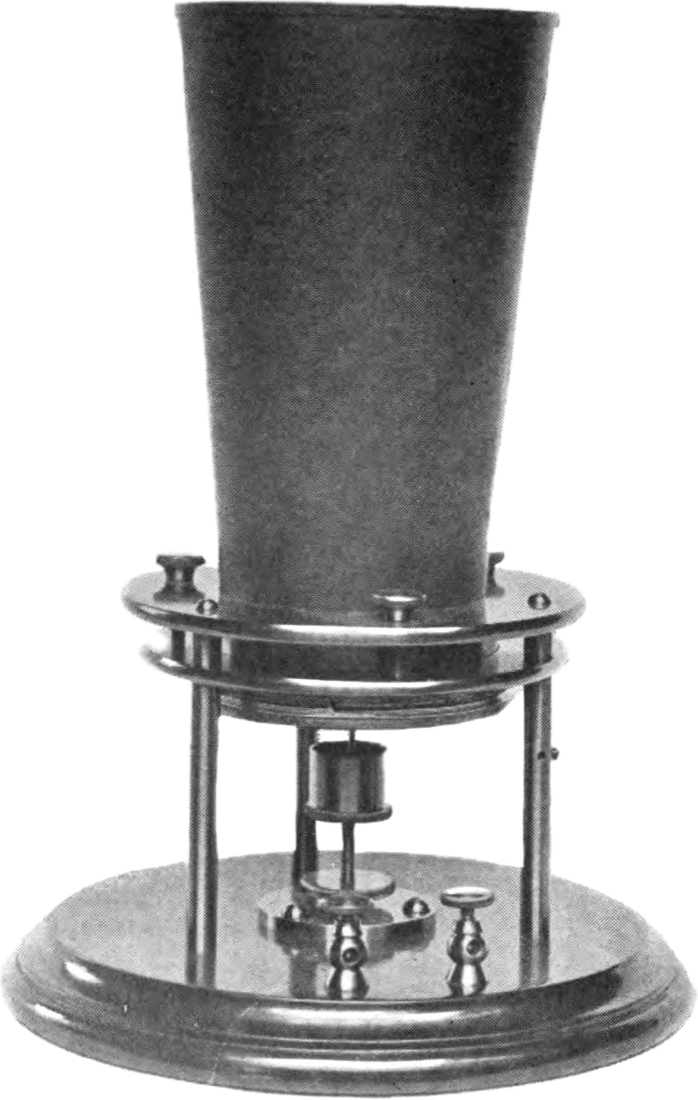
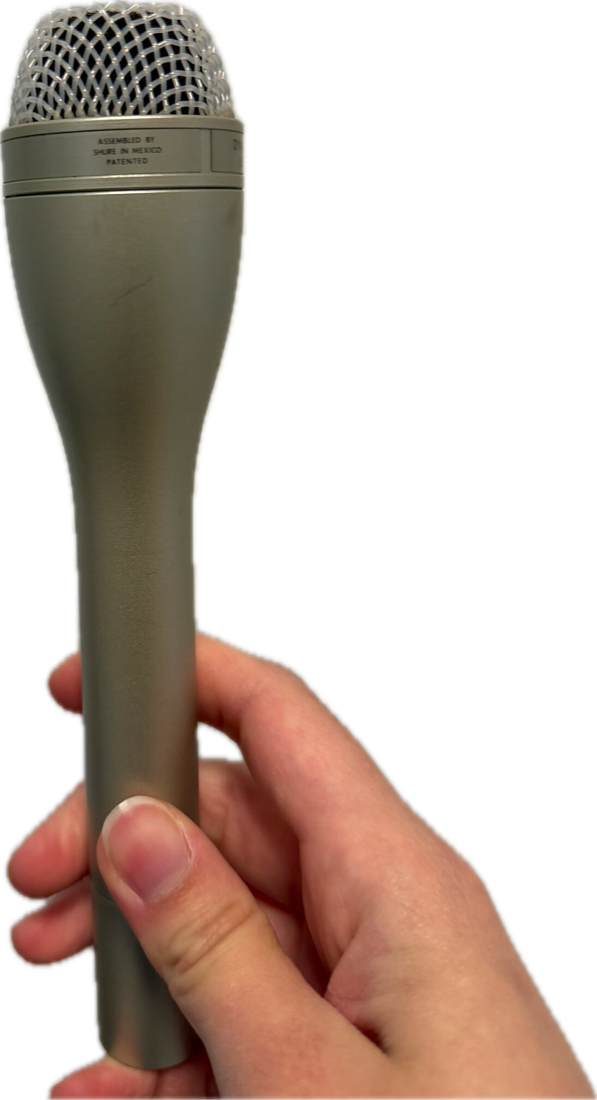
FIG 0.1 // ARCHIVAL SPECIMEN COLLAGE PD + CC BY-SA
Rembrandt c. 1655 self-portrait cutout Shure SM61 microphone hardware cutout Bell 1876 liquid telephone transmitter cutout
SPECIMENS: BELL (1876) • REMBRANDT (1655) • SHURE SM61 150-YR LINEAGE →
01 // HARDWARE VERDICT SHORTLIST

Audited Microphones: Datasheet Claims vs. Verified Capsule Physics

View Full 4-Claim Audit Matrix →
SPEC-01 4/4 PASS [P]

RØDE NT1 5th Generation

25.4 mm (1.00 in) active diaphragm diameter

1.00-inch (25.4 mm) HF6 Gold-Sputtered True Condenser. RØDE Revolution Preamp (4 dBA self-noise) + 32-bit float / 192 kHz Dual Connect ADC.

EST. STREET THB 10,600 / $249.00
SPEC-02 3/4 BUDGET ECM

Alctron UM900

16.0 mm capsule diameter

16 mm Back-Electret Condenser Capsule. 16-bit / 48 kHz USB audio codec, 68 dB S/N ratio, 136 dB Max SPL.

EST. STREET THB 1,590 / $44.99
SPEC-03 WIRELESS ECM

Maono DM40 Pro

16.0 mm (DM40 Pro) / 14.0 mm (DM40 standard)

16 mm Electret Condenser (14 mm on non-Pro DM40). 24-bit / 48 kHz ADC, 73 dB S/N ratio, onboard AI voice & noise-cancellation DSP.

EST. STREET THB 2,940 / $119.99
SPEC-04 DYNAMIC BENCHMARK

Shure SM7B

Dynamic voice coil attached to Mylar diaphragm

Moving-Coil Dynamic (Unidyne III acoustic cartridge). Passive balanced XLR output (-59.0 dBV/Pa sensitivity; requires external preamp with 60+ dB clean gain).

EST. STREET THB 22,400 / $399.00
HARDWARE PROCUREMENT DOSSIER // DOC-RODE-NT1-5TH-GENAudit Pass: 4/4 Claims Verified [P]25.4 mm (1.00 in) active diaphragm diameterCardioid
RØDE NT1 5th Generation Large-Diaphragm Studio Condenser
The only desktop/studio USB-capable microphone in our audit that satisfies every literal engineering claim of a true large-diaphragm studio condenser: a 1-inch gold-sputtered Mylar membrane, external DC capsule polarization, cardioid acoustic labyrinth, and a dedicated SM6 spider suspension mount in the box.
STOREFRONT ROUTING
01 // TRANSDUCER ARCHITECTURE1.00-inch (25.4 mm) HF6 Gold-Sputtered True Condenser
02 // POWER & CONVERSIONRØDE Revolution Preamp (4 dBA self-noise) + 32-bit float / 192 kHz Dual Connect ADC
03 // REF PRICE (USD PRIMARY)
$249.00(THB 10,600)
Affiliate Disclosure: As an Amazon Associate, Spec & Craft earns from qualifying purchases. We also participate in the Shopee Thailand Affiliate Program.
[Auto-detecting region]
02 // PRIMARY-SOURCE INVESTIGATIONS

Published Engineering Dossiers & Patent Audits

How We Grade Evidence ([P] / [S] / [?]) →
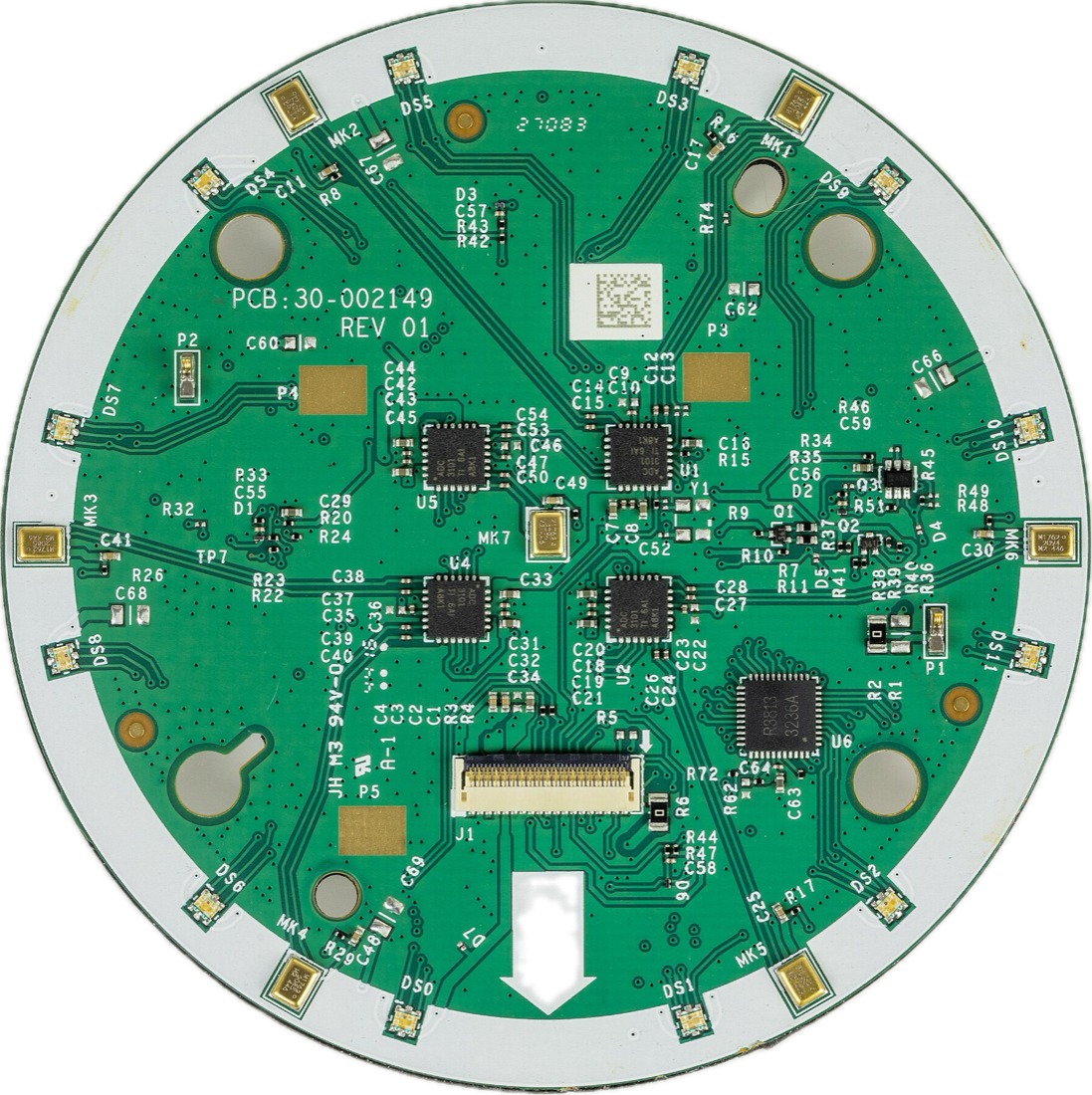
Popular audio history presents microphone evolution as a neat linear chain where each transducer replaces the last. Primary patents and Bell Labs journals tell a sharper story: electret fixed a condenser flaw (not a dynamic flaw), the famous 200 V specification belongs to 1928 Western Electric studio amplifiers rather than Wente's 1916 patent, and modern USB mics rely on ADC chips rather than MEMS sensors.
KEY VERIFIED FINDING [P]: Bell's March 10, 1876 lab transmitter used dilute sulfuric acid in water (126 U.S. 1), while his February 14 patent (US 174,465) claimed 'mercury or some other liquid'.
Transducer Physics & Patent Audit Read Dossier →
When a script claims a budget USB microphone uses a 'gold-sputtered condenser diaphragm that requires USB power to charge the capacitor plates,' is that physically true? Our datasheet audit shows why 14–16 mm back-electret USB mics fail that literal claim—and why only externally polarized capsules like the RØDE NT1 5th Gen pass all four criteria.
KEY VERIFIED FINDING [P]: In a back-electret microphone (Alctron UM900, Maono DM40 Pro), the electrostatic charge is permanently baked into the backplate; 5 V USB power runs the JFET buffer and ADC, not capsule polarization.
Hardware Spec Audit Read Dossier →
For four decades after Sessler and West's 1962 patent, foil-electret condenser microphones (ECMs) dominated telephony. Yet between 2003 and 2012, silicon MEMS shipments surged past 2.06 billion units per year. The decisive engineering driver was not acoustic quality—it was the 260°C peak temperature of lead-free SMT reflow soldering.
KEY VERIFIED FINDING [P]: Fluoropolymer electret diaphragms (PTFE/FEP) suffer thermal charge relaxation above 100°C–120°C and cannot survive 260°C lead-free SMT reflow soldering (Elsevier MEMS Microphones Ch. 8).
Semiconductor & Acoustic Packaging Read Dossier →
03 // INTERACTIVE WORKBENCH CIECHANOW.SKI × IFIXIT INSPIRED

Test the Physics Yourself in Our Interactive Transducer Lab

Don't just take a spec sheet's word for it. Drag vernier sliders to vary condenser diaphragm-to-backplate spacing (C = εA/d), heat a PTFE electret capsule to 260°C in a simulated JEDEC reflow chamber, or click numbered hardware teardown callouts across 5 historical eras.